
In high-stakes international arbitration, particularly within the construction, energy, and corporate sectors in Dubai and the wider GCC, cases are no longer just won on legal arguments; they are won in the trenches of Data Wars.
When a multi-million-dollar dispute arises, legal teams are routinely hit with an avalanche of electronic evidence—often consisting of massive volumes of digital evidence, fragmented email chains, and unorganized records.
For international firms, the traditional phase of Document Production and review has fast become a logistical nightmare and a massive drain on billable hours.
The Data Crisis in International Arbitration: The Failure of Keyword Matching
The standard industry response to voluminous data has long been generic keyword searching. However, any seasoned litigation team knows that this approach is fundamentally flawed. Keyword matching lacks contextual awareness. It misses the hidden metadata, conflates unrelated corporate entities, and struggles with chronological accuracy when email threads break or overlap across different time zones.
Furthermore, relying on generic, cloud-based AI tools introduces severe risks regarding data privacy, sovereign client confidentiality, and compliance with local data protection regulations.
The Engineering Perspective: Localized Data Processing
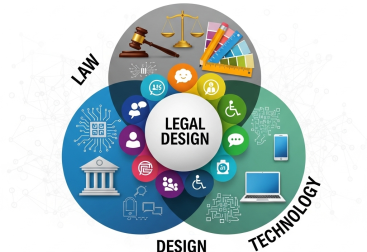
The future of efficient litigation support lies at the intersection of law and data science. Instead of outsourcing massive document reviews to external vendors or risking cloud exposure, the strategic edge belongs to firms that leverage localized, offline automation.
By utilizing domain-specific Natural Language Processing (NLP) models locally, legal teams can clean, parse, and structure messy email repositories within seconds. Automatically extracting critical vectors—such as precise chronological timelines, sender/recipient corporate affiliations, and exact subject-matter correlations—transforms raw data into structured, actionable intelligence before the heavy legal analysis even begins.
Winning the Dispute Before the Hearing
When a litigation team can walk into a document review session with a perfectly sorted, chronologically aligned, and entity-mapped matrix of every single communication in the case, the strategy shifts from reactive searching to proactive positioning.
In modern disputes, the tech-driven legal professional is no longer just managing documents—they are architecting the framework that allows partners to see the winning argument long before the opposing counsel even finishes filtering their keywords.
Modern international arbitration demands this level of precision.